If your son or daughter applied to Oxford or Cambridge by 15 October, the next step is the interview. Invitations go out from late November, and the interviews themselves take place in December. That leaves a few weeks: enough to prepare well, if they start now.
When and how
- Oxford: shortlisted applicants are interviewed online in December 2026. Some are also interviewed by a second college, and Oxford’s timetable shows those second interviews on 11 December.
- Cambridge: the main interview period runs from 7 to 18 December 2026. Depending on the college, interviews are in person or online. Many colleges interview applicants who live outside the UK online. Most students have one or two interviews, about 35 minutes to an hour in total.
- Decisions: both universities let candidates know in January.
What the interview really tests
It isn’t a general-knowledge quiz, and it isn’t a job interview. Oxford describes it as an academic conversation, much like a short tutorial. Tutors give your child a problem, a text, a graph or a question they’ve never seen, and watch how they think: how they reason out loud, take a hint, change their mind with a good argument, and keep going when it gets difficult.
That’s why a perfectly learned answer impresses no one. What impresses is a mind that works in front of them.
How to prepare in the weeks left
- Reread the personal statement and any written work you sent. Tutors often start there. Every book or idea mentioned must be one your child can talk about in depth.
- Read around the subject. An article, a chapter or a podcast a day, and note what you think about it, not just what it says.
- Practise thinking aloud. The hardest habit for many French students, used to giving a polished final answer, is sharing their reasoning while it’s still taking shape. It’s exactly what tutors want to hear.
- Do realistic mock interviews. Nothing replaces facing an unfamiliar question in front of someone, with honest feedback afterwards.
- For online interviews, test the camera, microphone and connection beforehand, and choose a quiet room with good light. Remember that the UK is one hour behind France: a 10 am interview is at 11 am in Paris.
Common mistakes
- Reciting prepared answers instead of thinking.
- Staying silent when stuck. It’s better to say “I’m not sure, but my first idea would be…”.
- Being afraid to disagree with the tutor. Polite, reasoned disagreement is often a good sign.
How we can help
Linda Hamilton-Evans runs realistic Oxford and Cambridge mock interviews, online, with structured feedback after each one, so students arrive confident and clear.
Linda’s advice: “The students who do best aren’t the ones who know the most. They’re the ones who stay curious when the question gets hard. That can be practised.”
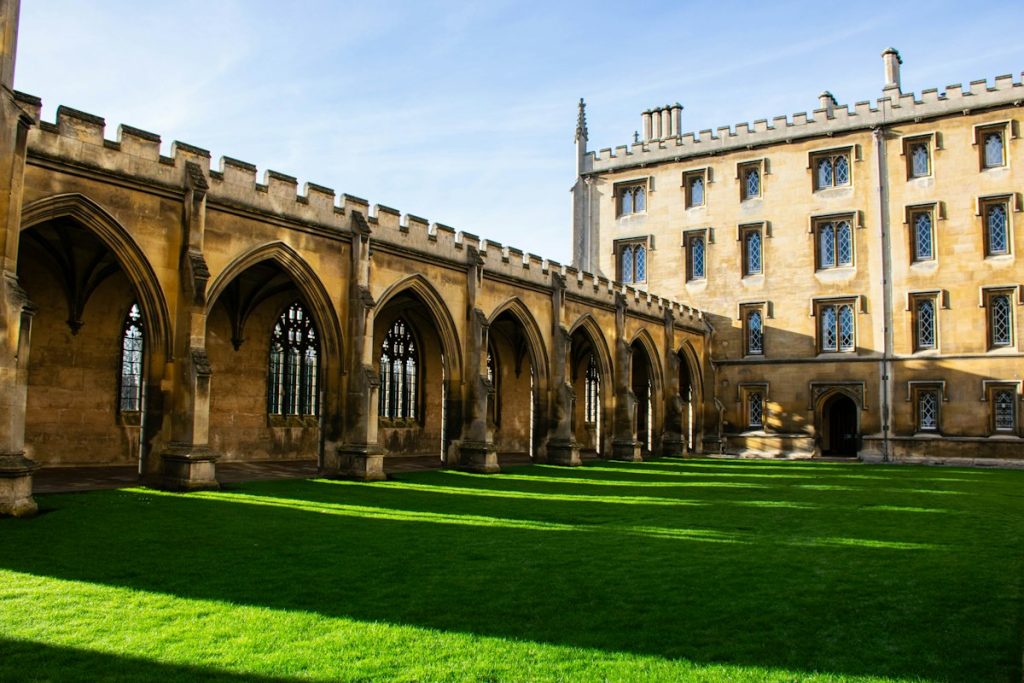
Photo: Unsplash.